Michigan Dog Registration Information
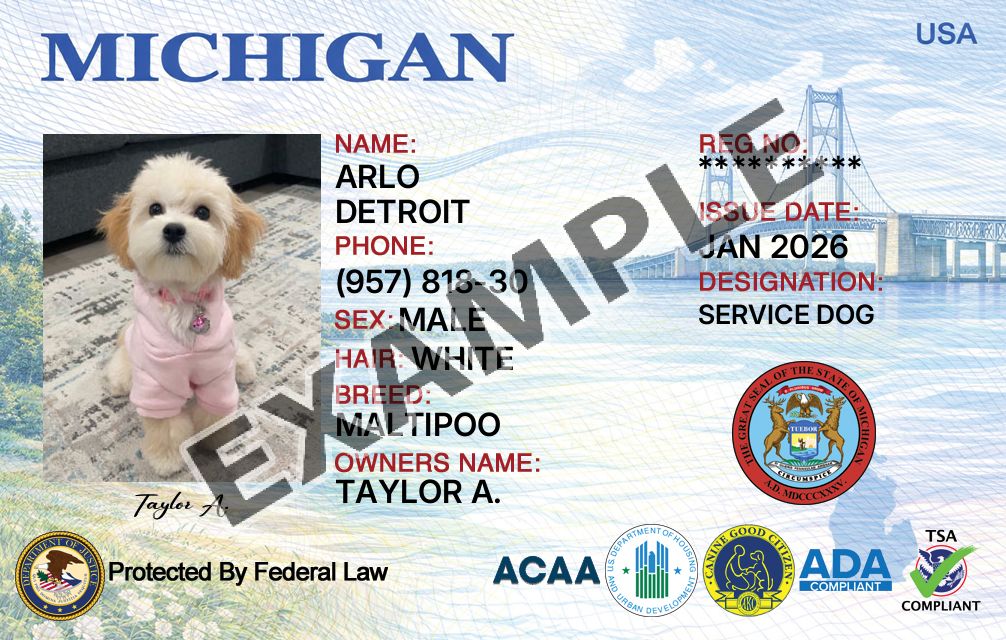
State Licensed, Service Dogs and Emotional Support Dogs in Michigan
If you’re asking where do I register my dog in Michigan for my service dog or emotional support dog, the answer depends on what you mean by “register.” In Michigan, most people “register” a dog by getting a dog license in Michigan through their county treasurer, local city/township treasurer, or animal services office. This is separate from any “service dog registration” or “ESA registration” website you might see online.
This page explains where to register a dog in Michigan (official licensing offices), how animal control dog license Michigan enforcement typically works, what Michigan law ties to rabies vaccination, and the real legal difference between a dog license, a service dog, and an emotional support animal (ESA).
Where to Register or License Your Dog in Michigan
Because licensing is usually handled locally, you’ll register (license) your dog with an official office in the county or municipality where you live—often the County Treasurer, an Animal Shelter/Animal Control division, or a City/Township Treasurer. Below are several example official Michigan offices that publish dog licensing information. Always confirm which office serves your exact address.
Bay County Treasurer (Animal Licensing)
Notes: Bay County’s licensing page states rabies vaccination proof is required and provides an email for sending rabies certificates for online renewals.
Kent County Animal Shelter (Dog Licenses)
Notes: Kent County explains that Michigan law requires dogs over 4 months to be licensed and that licensing helps ensure rabies vaccination compliance.
Oakland County Animal Shelter & Pet Adoption Center
Notes: Oakland County’s shelter contact page references submitting rabies certificates for online dog license purchases by email.
Ingham County Animal Control (Shelter Contact & Hours)
Notes: Ingham County posts detailed shelter hours and officer hours; contact the department to confirm where dog licenses are processed for your address.
Overview of Dog Licensing in Michigan
What a Michigan dog license is (and why it matters)
A Michigan dog license is an official local license (usually a metal tag number and a paper record) that connects your dog to you and confirms key public-health requirements—most importantly, rabies vaccination. If animal control picks up a lost dog, a license tag can help reunite you quickly. Licensing also supports local animal control operations and rabies enforcement programs.
Michigan’s baseline rule: age and timing
Under Michigan’s Dog Law of 1919, a person who becomes the owner of an unlicensed dog that is 4 months or older must apply for a license within 30 days. Likewise, if you already own a puppy that turns 4 months old, you generally must apply within 30 days after the dog reaches that age. Counties and municipalities can have local processes, deadlines, and fees, but this state standard is a common starting point.
Rabies vaccination proof is tied to licensing
Michigan law authorizes local governments that adopt dog licensing ordinances to require license applications to be accompanied by proof of rabies vaccination via a valid rabies certificate signed by an accredited veterinarian (with a USDA-licensed vaccine). Practically, that means when you’re figuring out where to register a dog in Michigan, the office will almost always ask for a rabies certificate before they issue the license tag.
How Dog Licensing Works Locally in Michigan
Who you register with: county, city, township, or an authorized agent
Michigan law states that dog owners apply to the county treasurer or (in many cases) the treasurer of the township or city where the owner resides, or an authorized agent. In plain terms: most “registration” is local. Your county might run licensing through the treasurer’s office, while your municipality might handle it directly, or your county animal shelter may serve as a licensing point.
Typical steps to get an animal control dog license in Michigan
- Confirm the correct licensing authority for your home address (county treasurer vs. city/township vs. county animal services).
- Gather documents: rabies certificate (and sometimes proof of spay/neuter for discounted fees).
- Apply and pay (in person, by mail, or online depending on the jurisdiction).
- Receive the tag and keep it on your dog’s collar when required by local rules.
- Renew on time and update your info (address/phone) so animal control can contact you if your dog is found.
How long does the license last?
Many Michigan communities issue 1-year licenses, and some allow multi-year licenses when supported by the dog’s rabies vaccination period. For example, some counties explain that the license term can be connected to whether the dog received a one-year or three-year rabies vaccine, and the owner’s purchase option. Your local office will set the available terms and fees.
What “registering” does not do
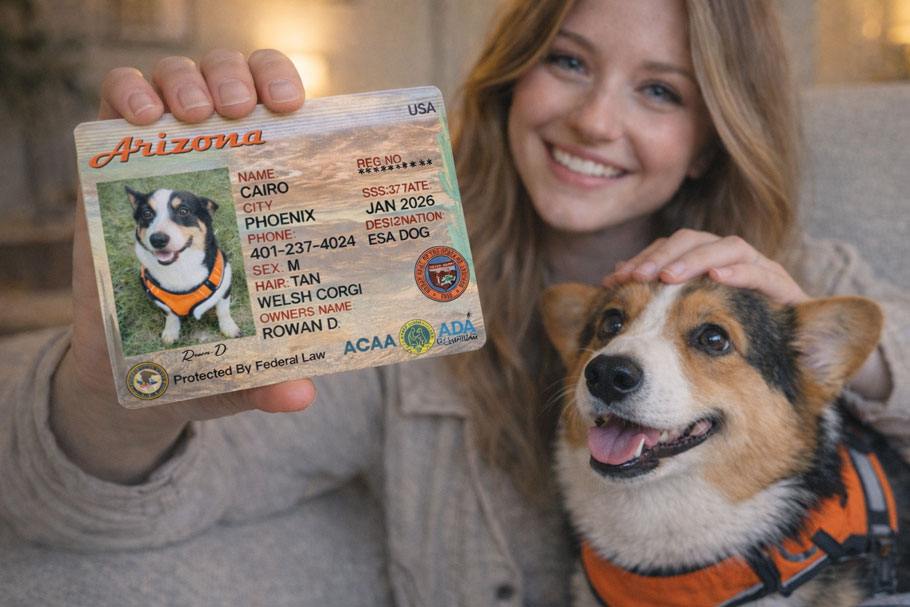
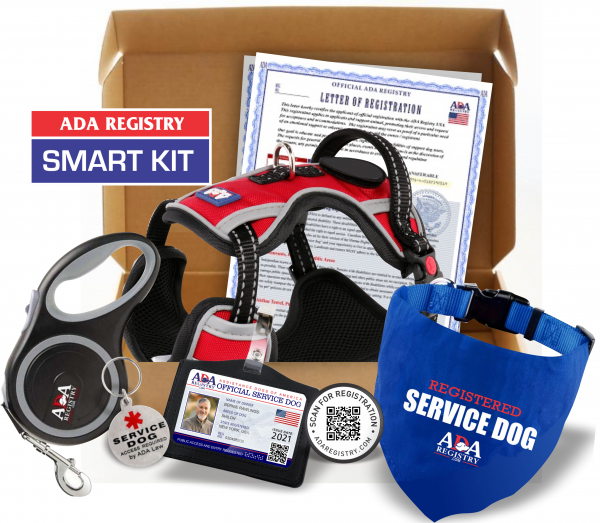
A local dog license is not a “certification” that your dog is a service dog or an emotional support animal. It is simply a legal local license for dog ownership. If you see ads for “instant service dog registration,” be cautious—those are not the same thing as a government-issued dog license in Michigan.
Service Dog Laws in Michigan
Service dog status vs. dog license status
A service dog is generally understood (under disability law principles) as a dog that is trained to do work or perform tasks for an individual with a disability. That legal role is different from the local requirement to obtain a dog license in Michigan. In other words, even if your dog is a service dog, you still typically need to meet local licensing and rabies vaccination rules.
Michigan licensing fees for service animals
Michigan law provides that a service animal is not subject to any fee for licensing if the service animal is used by a person with a disability (and also covers certain training entities). This is about the fee—not necessarily the requirement to obtain the license record/tag itself. Local offices may still require you to apply and provide documentation they need for licensing (commonly rabies proof), but they may waive the licensing fee when the legal conditions are met.
What you should ask your local licensing office
- Do you waive dog license fees for service animals? (Some offices have a specific process.)
- What do you need as proof? (Often rabies certificate; some may have a form.)
- Do you issue a standard tag or a special notation? (Policies vary.)
- Does your office license through the treasurer, animal shelter, or the city/township?
Emotional Support Animal Rules in Michigan
An ESA is not the same as a service dog
An emotional support animal (ESA) is typically an animal that provides comfort by its presence and is tied to a person’s disability-related needs, but it is not the same as a service dog trained to perform specific tasks. That difference matters because legal protections and “where you can take the animal” can differ significantly depending on the situation.
What “ESA registration” websites don’t do
There is no official Michigan government office where you “register” an ESA to make it legitimate. If your goal is housing-related documentation, you’ll typically work with a qualified healthcare provider and follow the applicable housing rules. But none of that replaces the local requirement for a where to register a dog in Michigan question—your dog still needs the local license where required.
Licensing is still licensing
Whether your dog is a pet, an ESA, or a service dog, local licensing offices usually focus on the same fundamentals: rabies vaccination proof, owner identity/residency information, and the applicable fee (unless a fee waiver applies).
Frequently Asked Questions
There is not a single statewide “service dog registry” or “ESA registry” that you must use to make your dog a service dog or ESA. What most people must do is obtain a local dog license in Michigan through the county/city/township office that handles licensing. Service dog and ESA status are different concepts from licensing.
Start by identifying your local licensing authority:
- If your county treasurer issues licenses, contact the treasurer’s office.
- If your city/township issues licenses, contact the city/township treasurer or clerk.
- If your county animal shelter handles licensing, contact the shelter/animal control office.
Usually, no. A rabies tag commonly indicates your veterinarian administered a rabies vaccine, while the local government dog license tag indicates your dog is licensed with your county/city/township. Many Michigan licensing offices require a rabies certificate as part of licensing, but the tags serve different purposes.
In many jurisdictions, yes—you still obtain the local license record/tag, but Michigan law can waive the licensing fee for a service animal used by a person with a disability. Contact your local licensing office and ask specifically how they process service animal licenses and what documentation they require (commonly rabies proof).
- Rabies vaccination proof (rabies certificate signed by a veterinarian)
- Identification
- Proof of residency (sometimes requested depending on the jurisdiction)
- Licensing fee (unless waived, such as for some service animals)
Disclaimer
Licensing requirements and office locations may change. Residents should verify details with their local animal services office within Michigan.
Register A Dog In Other Michigan Counties
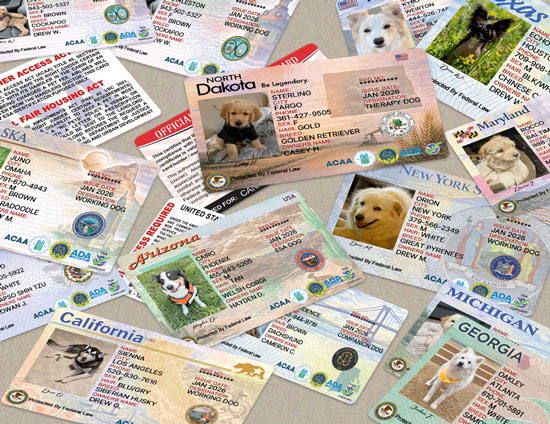
Select your county from the dropdown below to get started with your dog’s ID card. Requirements and license designs may vary by county, so choose your location to see the correct options and complete your pup’s registration.
- Alcona County Dog Registration
- Alger County Dog Registration
- Allegan County Dog Registration
- Alpena County Dog Registration
- Antrim County Dog Registration
- Arenac County Dog Registration
- Baraga County Dog Registration
- Barry County Dog Registration
- Bay County Dog Registration
- Benzie County Dog Registration
- Berrien County Dog Registration
- Branch County Dog Registration
- Calhoun County Dog Registration
- Cass County Dog Registration
- Charlevoix County Dog Registration
- Cheboygan County Dog Registration
- Chippewa County Dog Registration
- Clare County Dog Registration
- Crawford County Dog Registration
- Delta County Dog Registration
- Dickinson County Dog Registration
- Eaton County Dog Registration
- Emmet County Dog Registration
- Genesee County Dog Registration
- Gladwin County Dog Registration
- Gogebic County Dog Registration
- Grand Traverse County Dog Registration
- Gratiot County Dog Registration
- Hillsdale County Dog Registration
- Houghton County Dog Registration
- Huron County Dog Registration
- Ingham County Dog Registration
- Ionia County Dog Registration
- Iosco County Dog Registration
- Irom County Dog Registration
- Isabella County Dog Registration
- Jackson County Dog Registration
- Kalamazoo County Dog Registration
- Kalkaska County Dog Registration
- Kent County Dog Registration
- Keweenaw County Dog Registration
- Lake County Dog Registration
- Lapeer County Dog Registration
- Leelanau County Dog Registration
- Lenawee County Dog Registration
- Livingston County Dog Registration
- Luce County Dog Registration
- Mackinac County Dog Registration
- Macomb County Dog Registration
- Manistee County Dog Registration
- Marquette County Dog Registration
- Mason County Dog Registration
- Mecosta County Dog Registration
- Menominee County Dog Registration
- Midland County Dog Registration
- Missaukee County Dog Registration
- Monroe County Dog Registration
- Montcalm County Dog Registration
- Montmorency County Dog Registration
- Muskegon County Dog Registration
- Newaygo County Dog Registration
- Oakland County Dog Registration
- Oceana County Dog Registration
- Ogemaw County Dog Registration
- Ontonagon County Dog Registration
- Osceola County Dog Registration
- Oscoda County Dog Registration
- Otsego County Dog Registration
- Ottawa County Dog Registration
- Presque Isle County Dog Registration
- Roscommon County Dog Registration
- Saginaw County Dog Registration
- Sanilac County Dog Registration
- Schoolcraft County Dog Registration
- Shiawassee County Dog Registration
- St. Clair County Dog Registration
- St. Joseph County Dog Registration
- Tuscola County Dog Registration
- Van Buren County Dog Registration
- Washtenaw County Dog Registration
- Wayne County Dog Registration
- Wexford County Dog Registration